 Reviews



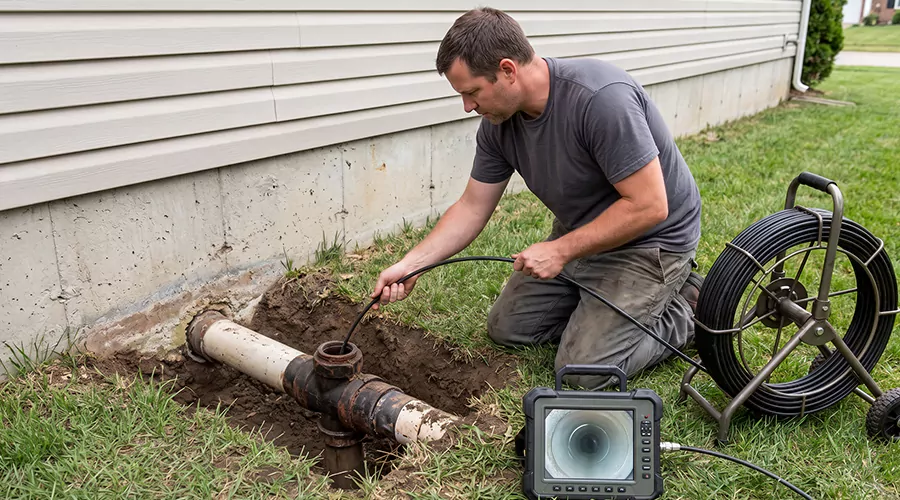
A sewer camera inspection typically costs $125 to $500 for a straightforward residential inspection in the United States in 2026. More detailed inspections involving difficult access or specialized equipment can exceed $1,000. The price depends on sewer length, access conditions, and whether the service includes recorded footage.
A sewer camera inspection, also known as a drains camera inspection, allows a technician to view the inside of underground drainage pipes without digging up the yard. It can reveal root intrusion and damaged pipe joints that contribute to recurring backups. Understanding what the inspection includes helps homeowners compare estimates and avoid unexpected charges.
What Is the Average Sewer Camera Inspection Cost in 2026?
Residential sewer camera inspection prices vary because companies offer different levels of service. Some provide a basic live camera examination through an existing cleanout. Others include high-resolution video and a written report.
A common basic inspection falls between $125 and $500. Broader project-cost reports show higher ranges when the inspection involves difficult access or specialized equipment.
| Inspection service | Estimated U.S. cost |
|---|---|
| Basic sewer camera inspection | 125–500 |
| Standard camera inspection without recording | 150–300 |
| High-resolution inspection | 300–600 |
| Inspection without accessible cleanout | 175–750 |
| Advanced specialty inspection | 600–1,500+ |
| Camera rental for DIY inspection | 120–225 per day |
These are overlapping service categories rather than charges that should be added together. Ask which equipment and deliverables are included in the quoted price.
What Factors Affect Sewer Camera Inspection Prices?
The final cost depends on the inspection's complexity and how easily the technician can access the sewer. A short pipe with a suitable cleanout generally requires less labor than a long line beneath landscaping. Additional diagnostic services may also increase the total.
Sewer Line Length
Longer sewer pipes require more camera travel and inspection time. A typical residential lateral may extend approximately 50 to 100 feet, although actual layouts differ considerably.
A longer line may also contain additional connections that require separate inspection. Some contractors include a standard length in their base price and charge more for extended runs.
Available Cleanout Access
A sewer cleanout is a capped opening that allows equipment to enter the drainage system. An accessible outdoor cleanout simplifies inspection.
Without one, the technician may need to remove a toilet or use another suitable access point. The additional labor can increase the cost.
Camera Equipment
Basic inspection cameras provide live video that helps identify visible obstructions. More advanced equipment can produce higher-resolution footage or support locating underground defects.
Specialized cameras may be needed for complex piping. The equipment choice should match the actual inspection requirements rather than automatically increasing the service price.
Reporting Requirements
Some inspections include only a verbal explanation. Others provide recorded video and written observations.
Documentation is particularly useful before purchasing a home or authorizing an expensive sewer repair. Confirm whether the recording will be provided in a format you can keep.
What Does a Sewer Camera Inspection Show?
A sewer camera records the visible interior condition of the drainage pipe it travels through. This allows the technician to identify some defects without exposing the underground sewer. However, the footage cannot show everything happening outside the pipe.
Common findings include:
- Tree roots: Root growth entering through cracks or joints.
- Pipe cracks: Visible fractures or openings in the sewer wall.
- Displaced joints: Connections that have shifted out of alignment.
- Grease deposits: Material reducing the pipe's internal opening.
- Standing wastewater: A possible low spot or downstream restriction.
- Collapsed sections: Severe damage obstructing camera movement.
A camera showing standing water doesn't automatically prove the pipe has the wrong slope. Further assessment may be required to determine why water is collecting.
Likewise, a camera cannot establish the condition of pipe sections it cannot reach. A heavy blockage may need clearing before the rest of the sewer becomes visible.
How Does a Sewer Camera Inspection Work?
A technician introduces a waterproof camera into the sewer through a suitable access point. The camera travels along a flexible cable while sending video to a monitor. The inspection generally follows the building sewer toward the municipal connection or septic tank.
Step-by-Step Inspection Process
- Identify an accessible sewer cleanout or another approved entry point.
- Assess whether the line is safe to open.
- Insert the camera into the drainage pipe.
- View the interior condition on a monitor.
- Record the location of visible defects.
- Use locating equipment when surface marking is needed.
- Document sections that could not be inspected.
- Review the findings and possible repair options.
A straightforward inspection may take approximately 30 to 60 minutes. Complicated layouts or heavy obstructions can extend the appointment.
If sewage is actively backing up, don't open the cleanout yourself before the technician arrives. Wastewater may be trapped behind the cap.
When Is a Sewer Camera Inspection Worth Getting?
A sewer camera inspection is particularly useful when drain cleaning provides only temporary relief. Repeated blockages suggest that material may be collecting around a damaged joint or another permanent restriction.
It can also be useful before purchasing an older property. The examination may reveal problems that aren't visible during an ordinary home inspection.
Consider an inspection when:
- Multiple drains repeatedly back up.
- Tree roots were removed during previous cleaning.
- A plumber suspects underground pipe damage.
- The yard develops persistent sewage-related wet spots.
- A major sewer repair has been recommended.
- You're evaluating an older home's drainage condition.
An inspection can help identify which section requires attention, but it doesn't guarantee that future problems won't develop.
Are Sewer Camera Inspection Add-Ons Worth the Cost?
Additional services can improve the usefulness of an inspection when they answer a specific question. However, not every property needs advanced recording or underground locating.
| Optional service | Typical added cost |
|---|---|
| Recorded video or digital report | 50–150 |
| Locating and marking a defect | 40–150 |
| Additional branch inspection | 75–200 per branch |
| Emergency scheduling | 100–300 |
| Drain cleaning before inspection | Quoted separately |
These amounts aren't universal. Some companies include recording or locating in their standard inspection package.
A surface locator is especially useful when the camera identifies a defect that may require excavation. It can help mark the suspected position and approximate depth of the problem.
Can You Perform a Sewer Camera Inspection Yourself?
Sewer inspection cameras can sometimes be rented, but interpreting the footage requires familiarity with drainage construction. A homeowner may recognize an obvious obstruction while overlooking a subtle displaced joint. Accessing a backed-up sewer can also expose someone to contaminated wastewater.
Rental equipment may cost less than a professional inspection, but it generally doesn't include technical interpretation or a written diagnosis.
For a recurring backup or suspected damaged pipe, professional footage and measurements can provide better information for planning repairs.
What Should You Ask Before Booking an Inspection?
The lowest inspection quote doesn't always provide the same service as a more detailed examination. Ask what will be inspected and whether additional work could be needed if the camera encounters a blockage.
Useful questions include:
- Does the price include the full accessible sewer lateral?
- Will I receive a copy of the video?
- Are written findings included?
- Can the technician locate defects from the surface?
- What happens if the camera cannot pass a blockage?
- Is drain cleaning charged separately?
Ask the technician to identify where the inspection began and ended. This helps determine which sections were actually examined.
Common Questions About Sewer Camera Inspection Costs
How much does a sewer camera inspection cost without a cleanout?
Inspections without accessible cleanouts commonly cost about $175 to $750 because another entry point may require additional work.
Is sewer cleaning included in a camera inspection?
Not always. Camera inspection and drain cleaning are separate services unless the estimate specifically combines them.
Can a sewer camera detect tree roots?
Yes. A camera can show roots that have entered the visible portion of the sewer pipe.
Should I get a sewer inspection before buying a house?
It can be useful for older properties or homes with a history of drainage problems. A regular home inspection may not include underground sewer imaging.
Can a sewer camera locate the exact spot to dig?
A camera combined with suitable locating equipment can help mark a defect's approximate surface location and depth. Additional measurements may still be necessary.